

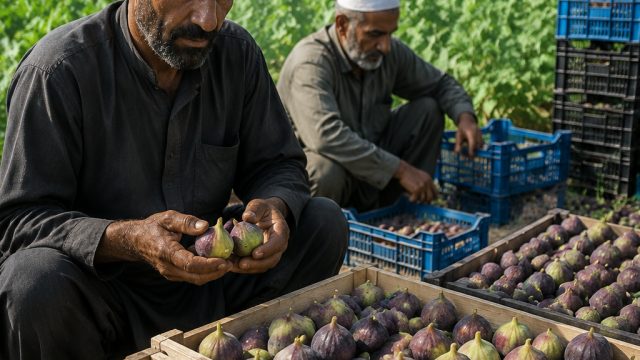
Herat Fig Farmers Face Challenges in Exporting High-Quality Harvest
The fig farmers of Herat are gearing up for their annual harvest, renowned for producing some of the finest figs in the region. However, as the harvest begins, these farmers are grappling with significant obstacles that threaten their ability to export their high-quality produce to international markets. The lack of adequate cold storage and packaging facilities is at the forefront of their concerns, prompting a call for immediate support and intervention.
The Importance of Cold Storage for Agricultural Exports
Cold storage is crucial for preserving the freshness and quality of perishable goods. For fig farmers in Herat, the absence of proper cold storage facilities means that a substantial portion of their harvest could be compromised. Without the means to keep their figs at optimal temperatures during transport, farmers risk losing the investment they’ve made in cultivating these prized fruits.
Impact on Quality and Pricing
- Figs are sensitive to temperature changes, and any delay in cooling can lead to spoilage.
- Loss of quality directly affects pricing, making it harder for farmers to compete in international markets.
- Packaging also plays a critical role; without proper packaging facilities, the figs cannot be safely transported.
Current Challenges Facing Herat Farmers
As the harvesting season unfolds, the farmers of Herat are reminded of the pressing challenges they face. While they produce a high-quality product, the logistics of getting these figs to market are fraught with difficulties.
Logistical Barriers
The challenges extend beyond just cold storage:
- Infrastructural Issues: Poor roads and transportation options make it difficult to move goods efficiently.
- Limited Market Access: Without established channels for international sales, reaching buyers is a significant hurdle.
- Financial Constraints: Farmers often lack the capital needed for proper storage and packaging investments.
Calls for Support and Solutions
As farmers express their concerns, there is a growing call for local and international support to improve the situation. Solutions could range from government initiatives to private investments aimed at enhancing storage and packaging capabilities.
Potential Solutions
- Government Grants: Providing financial assistance for building cold storage facilities.
- Investment in Infrastructure: Improving roads and transportation networks to facilitate smoother logistics.
- Training Programs: Educating farmers on best practices for storage and handling of their harvest.
Why This Matters Now
The urgency of addressing these challenges cannot be overstated. As global demand for high-quality figs continues to rise, Herat farmers stand at a crossroads. With the right support, they can take advantage of this increasing demand, but without it, their efforts may go to waste.
Supporting these farmers not only benefits the local economy but also enhances the agricultural reputation of the region. As consumers become more conscious of the origins and quality of their food, ensuring that Herat figs reach the market in peak condition is vital.
The Future of Herat Fig Farming
With the harvest season underway, the future of Herat’s fig farmers hangs in the balance. By bringing attention to their needs and advocating for necessary changes, stakeholders can help secure a profitable future for these dedicated farmers. Collaboration between government entities, agricultural organizations, and private sectors will be essential in creating a more robust framework for fig exports.
Conclusion
In conclusion, the challenges faced by Herat fig farmers underline a significant need for investment and support in the agricultural sector. As they strive to reach international markets, addressing cold storage and logistical issues is critical. The time to act is now—ensuring that Herat’s high-quality figs can flourish in the global marketplace, enriching both the farmers’ livelihoods and the culinary experiences of consumers worldwide.
