

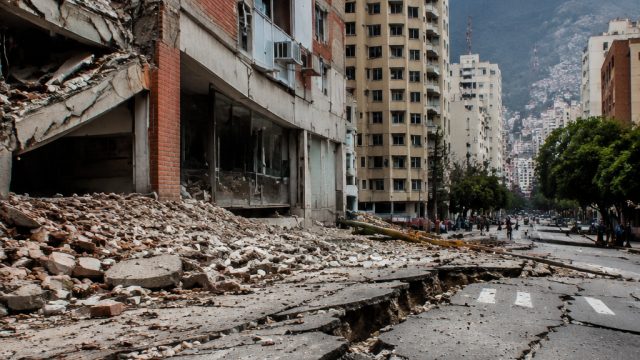
On the morning of October 23, 2023, a powerful 7.1 magnitude earthquake struck Venezuela, causing significant tremors in the capital city of Caracas and surrounding regions. This seismic event has raised alarms not only for its immediate impact but also for the potential aftershocks and tsunami threats that could follow. As residents cope with the aftermath, understanding the situation is crucial.
The Impact of the 7.1 Magnitude Earthquake
The earthquake, which occurred at 10:15 AM local time, was felt strongly across Caracas, with reports of buildings shaking and people rushing into the streets. The epicenter was located approximately 20 kilometers southwest of the capital, leading to concerns over structural damage, particularly in older buildings.
Damage Reports and Community Response
- Initial assessments indicate partial collapses in several structures.
- Major highways have experienced minor landslides, complicating evacuation efforts.
- Emergency services are on high alert, responding to calls from affected residents.
Local authorities are conducting thorough inspections to evaluate the extent of the damage, with a focus on ensuring the safety of residents. Meanwhile, community centers have opened their doors to provide shelter for those displaced.
Tsunami Alerts and Safety Precautions
In light of the earthquake's magnitude, the U.S. Tsunami Warning Center has issued alerts for coastal areas of Venezuela and nearby regions, including Puerto Rico and the U.S. Virgin Islands. It’s vital for residents in these areas to remain vigilant and heed the advice of local authorities.
What to Do During an Earthquake
Understanding proper safety measures can save lives. Here are key actions to take during an earthquake:
- Drop, Cover, and Hold On: Drop to your hands and knees, take cover under sturdy furniture, and hold on until the shaking stops.
- Stay Indoors: If you are inside a building, remain there. Do not attempt to exit during the shaking, as falling debris poses a significant risk.
- Avoid Doorways: Contrary to popular belief, doorways are not the safest places; seek shelter under furniture instead.
Long-term Implications for Venezuela
This recent earthquake raises important questions about the resilience of Venezuelan infrastructure in the face of natural disasters. The country has historically faced challenges with building standards, particularly in urban areas.
Infrastructure and Emergency Preparedness
In light of this disaster, it is crucial for the government and local municipalities to reevaluate their emergency preparedness plans. Here are some areas of focus:
- Building Codes: Strengthening building regulations to ensure new constructions can withstand seismic activity.
- Community Education: Increasing public awareness about earthquake safety and emergency procedures.
- Emergency Response Training: Regular training for emergency services to enhance response capabilities.
Conclusion: Staying Informed and Prepared
The 7.1 magnitude earthquake that struck Venezuela serves as a stark reminder of the importance of preparedness and community resilience in the face of natural disasters. As the situation evolves, staying informed through reliable news sources is essential. For those in affected areas, prioritize safety and follow official guidance to navigate this challenging time.
