

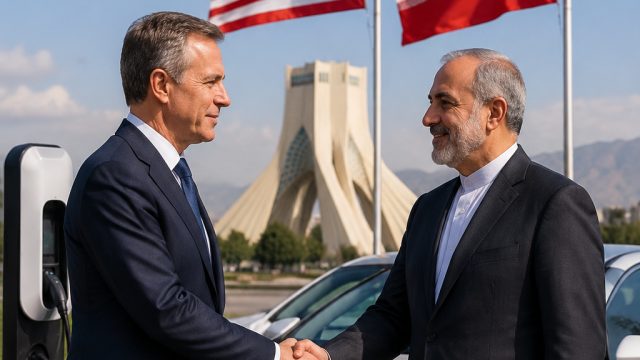
In a significant development in international politics, Iranian parliamentary speaker Mohammad Bagher Ghalibaf has proclaimed that the recent memorandum of understanding between Iran and the United States signifies a 'declaration of defeat' for Washington. The comments were made during a conference in Azerbaijan, where Ghalibaf addressed negotiations that took place in Switzerland between Iranian and U.S. officials, which ultimately failed to reach a consensus on pressing issues.
The Context of the Agreement
The backdrop to this declaration revolves around ongoing tensions and negotiations between Iran and the U.S. While the specifics of the memorandum remain under scrutiny, it exemplifies the complex dynamics at play in international diplomacy. Ghalibaf's remarks underscore Iran's steadfastness in its diplomatic stance amidst external pressures.
Strategic Implications for Iran
- Cementing Regional Influence: Iran aims to leverage this moment to enhance its standing in the Middle East.
- Resilience Against Sanctions: The Iranian leadership interprets their ability to withstand U.S. pressure as a testament to their resilience.
- Negotiation Leverage: The failed talks could provide Iran with additional leverage in future negotiations.
U.S. Response and Global Impact
In response, U.S. officials have expressed disappointment but remain committed to finding a diplomatic resolution. The failure of these negotiations not only affects U.S.-Iran relations but also has broader implications for global stability, as other nations observe the interplay of power dynamics.
Potential Outcomes
- Continued Diplomatic Isolation for Iran: Without a successful agreement, Iran may face greater isolation.
- Increased Tensions in the Region: The stalemate could escalate tensions between Iran and its neighboring countries.
- Impact on Global Oil Markets: Any instability in Iran could affect oil prices and market stability.
The Importance of Ongoing Dialogue
Despite the current setbacks, experts emphasize the necessity of continuous dialogue between Iran and the U.S. History has shown that prolonged estrangement can lead to misunderstandings and potential conflicts. As global citizens, staying informed on these developments is crucial for comprehending the intricate web of international relationships.
Encouraging Maturity in Diplomacy
- Neutral Mediation: Third-party nations could play a pivotal role in facilitating dialogue.
- Building Trust: Incremental steps toward rebuilding trust between the two nations are essential for peace.
- Global Collaboration: Collaborative efforts among nations can help stabilize the situation.
Conclusion: A Pivotal Moment
The memorandum of understanding between Iran and the U.S. marks a critical juncture in their relationship. Ghalibaf's assertion of U.S. defeat resonates with the Iranian public and reflects a broader narrative of resilience. As the world watches, the repercussions of this agreement will undoubtedly shape not only U.S.-Iran relations but also the geopolitical landscape for years to come. Engaging in informed discussions and seeking constructive dialogues remains paramount as we navigate these challenging waters.
