

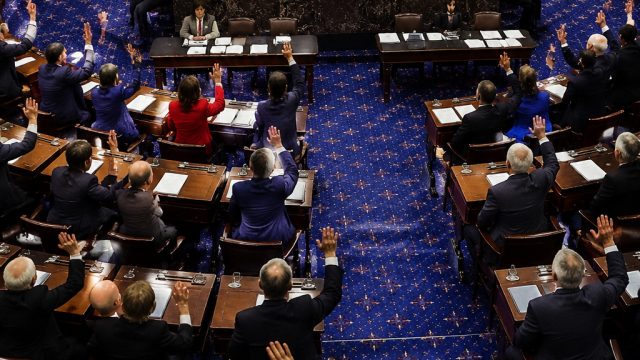
In a historic move, the United States Senate has voted to compel President Trump to withdraw American forces from the ongoing conflict with Iran. The vote, which took place on June 23, 2026, ended with a narrow margin of 50 to 48 in favor of this significant resolution. This unprecedented decision highlights the growing concern regarding military engagement and its implications for both international relations and domestic policy.
The Context of the Vote
The backdrop of the Senate's action stems from a persistent debate over military involvement in foreign conflicts without explicit congressional approval. In recent years, the increasing involvement of U.S. troops in Iran has raised alarms among lawmakers who advocate for a more restrained foreign policy. This shift is being viewed as a critical moment for bipartisan efforts to reassess military strategies abroad.
Key Issues Leading to the Vote
- Congressional Authority: The Constitution grants Congress the authority to declare war, and many senators believe that any military engagement requires this oversight.
- Public Opinion: Recent polls indicate a growing public desire for reduced military presence overseas, especially in conflict-prone regions.
- Economic Considerations: Prolonged military engagements are costly; redirecting funds could enhance domestic programs and infrastructure.
The Bipartisan Support for Withdrawal
Four Republican senators played a pivotal role in the passage of the resolution, indicating a rare moment of bipartisan agreement on military policy. Senators Rand Paul, Susan Collins, and others who voted in favor emphasize the need for a reevaluation of U.S. foreign policy. Their support signals a shift within the Republican party towards a more isolationist stance, reflecting a growing desire to prioritize domestic issues over foreign entanglements.
Voices from the Senate
During the debate, several senators articulated their perspectives:
- Senator Paul: "We must end endless wars and bring our troops home to focus on the needs of our citizens."
- Senator Collins: "It's time we acknowledge that prolonged military action is not the solution to geopolitical conflicts."
Implications of the Senate's Decision
The Senate's decision could reshape U.S. foreign policy moving forward, particularly concerning Iran. Analysts suggest that this vote may lead to significant diplomatic negotiations, possibly paving the way for peace talks. The urgency of this measure resonates not only in the halls of Congress but also among international allies who watch closely as the U.S. recalibrates its military commitments.
Potential Outcomes
- Increased Diplomatic Engagement: A troop withdrawal may open avenues for renewed negotiations with Iran.
- Enhanced Domestic Focus: Resources and attention may shift towards pressing domestic issues and infrastructure needs.
- Impact on International Alliances: Allies may view the U.S.'s strategic retreat as an opportunity to strengthen their own diplomatic efforts.
Conclusion: A Turning Point in U.S. Military Policy
The Senate's recent vote marks a significant turning point in U.S. military policy towards Iran, reflecting a broader desire for peace and a focus on domestic priorities. As the political landscape evolves, the implications of this decision will likely resonate far beyond the walls of the Senate. The call for troop withdrawal is not just a legislative action; it represents an urgent plea for a more peaceful and constructive U.S. role in the world.
