

Key Takeaways
- China's trade with Iran is critical for both economies.
- Sanctions have intensified since the Biden administration took office.
- China's economic policies focus on diversification and resilience.
- Beijing seeks to strengthen ties with other partners in ASEAN.
- The impact of these strategies will shape global trade dynamics.
Understanding China's Trade Strategy
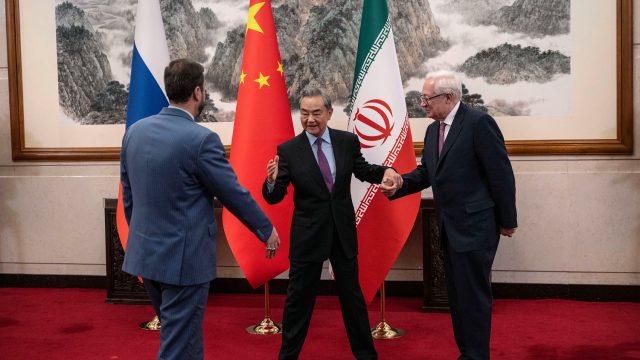
In light of ongoing geopolitical tensions, particularly between the United States and Iran, China's approach to international trade is evolving. As of late 2023, China is focused on enhancing its economic leverage in the face of US-imposed sanctions on Iran. The Chinese government recognizes the importance of its trade relationship with Iran, especially in energy and raw materials, which are vital for its industrial sector.
Economic Resilience in the Face of Sanctions
Since the Biden administration's renewed focus on sanctions, China has been crafting a strategy aimed at mitigating the effects of these restrictions. This involves diversifying its procurement sources and enhancing domestic production capabilities to reduce dependency on US markets. For instance, China's imports from Iran have seen fluctuations, but overall trade volumes remain significant, illustrating China's commitment to maintaining this crucial partnership.
Strengthening ASEAN Ties
Another layer to China's strategy involves bolstering its relationships within the Association of Southeast Asian Nations (ASEAN). Countries such as Indonesia, Malaysia, and Vietnam are integral to China's plans, providing alternative markets to offset potential losses from US sanctions. Recent trade agreements and investments in key sectors across Southeast Asia showcase China's proactive approach to ensuring economic stability amidst external pressures.
Global Trade Dynamics Shifting
As China continues to navigate this complex landscape, the impact on global trade is becoming evident. The strategic decisions made today will not only influence China's economy but will also reshape supply chains and trade patterns worldwide. In particular, regions heavily reliant on trade with China, such as Asia-Pacific countries, will need to adapt to these shifting dynamics. Observers and analysts are closely monitoring how these developments unfold in 2024 and beyond.
Conclusion: The Future of Trade Relations
As we approach the end of 2023, the interplay between China, Iran, and the United States will remain a focal point for global economic discussions. China's ability to leverage its economic power in the face of sanctions represents a pivotal moment in international trade relations. Businesses and policymakers should prepare for a landscape that not only reflects these tensions but also the opportunities arising from new partnerships and trade routes.
