

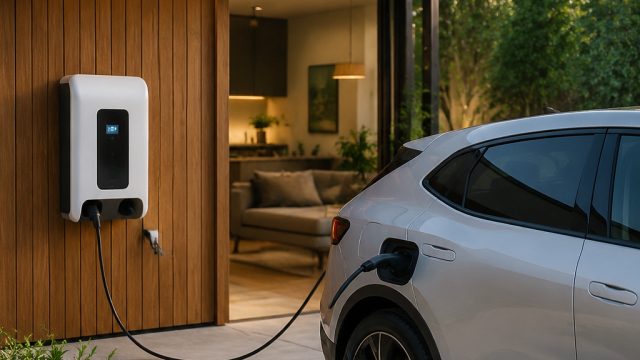
New Validation Boosts Confidence in Bidirectional EV Charging Technology
The landscape of electric vehicle (EV) charging is witnessing a significant transformation as the recent independent validation of ISO 15118-20 standards enhances confidence in bidirectional charging technology. This development is critically important as it addresses interoperability challenges that have hindered widespread adoption of EV infrastructure.
The Importance of ISO 15118-20 Standardization
The ISO 15118-20 standard facilitates not just charging but also energy exchange between EVs and the grid. This two-way communication allows vehicles to discharge energy back to the power supply when needed, effectively turning them into mobile energy storage units. This capability is crucial for integrating renewable energy sources and ensuring grid stability.
Why Now Matters
As more countries push towards carbon neutrality, the need for effective and efficient energy management systems grows. With the validation of ISO 15118-20, businesses and consumers alike can expect enhanced reliability in EV charging operations. This advancement comes at a pivotal moment when the automotive industry is shifting towards electrification.
Key Benefits of Bidirectional Charging
Bidirectional charging is not merely a trend but a necessity in the modern energy ecosystem. Here are several reasons why:
- Grid Support: EVs can provide energy back to the grid, aiding in peak load management.
- Cost Savings: Users can earn money or save on energy bills by selling surplus power from their EVs.
- Renewable Integration: Increased use of renewable energy sources can lead to a more sustainable energy mix.
- Enhanced Vehicle Utility: EVs become more than just transportation; they become part of the energy solution.
Impact on the EV Market
The effects of this validation will resonate across various sectors, from automotive manufacturers to energy providers. Here’s how:
Automotive Manufacturers
Manufacturers that adopt these protocols can facilitate vehicle features that appeal to environmentally conscious consumers.
Energy Providers
Utility companies will have new avenues to engage with customers, potentially offering incentives for EV owners who can return energy to the grid.
Consumers
For everyday drivers, the promise of reduced energy costs and the ability to contribute to a greener planet makes EVs an even more attractive option.
Challenges Ahead
While the confirmation of interoperability is a significant step forward, challenges remain. These include:
- Infrastructure Development: A robust infrastructure supporting bidirectional charging is still in its infancy.
- Regulatory Frameworks: Clear regulations must be established to support and govern these technologies.
- Consumer Awareness: Educating the public on the benefits and functionalities of bidirectional charging technology is crucial.
Conclusion: A Sustainable Future in the Making
The independent validation of ISO 15118-20 is not just a technical achievement; it represents a critical milestone in the journey towards a sustainable energy future. As the world pivots towards electrification, the integration of bidirectional charging will play a fundamental role in creating a responsive, resilient energy grid. Stakeholders across the spectrum, from manufacturers to consumers, must now prepare to embrace this emerging technology. The future of energy and transportation is interconnected, and with these advancements, the possibilities are limitless.
