

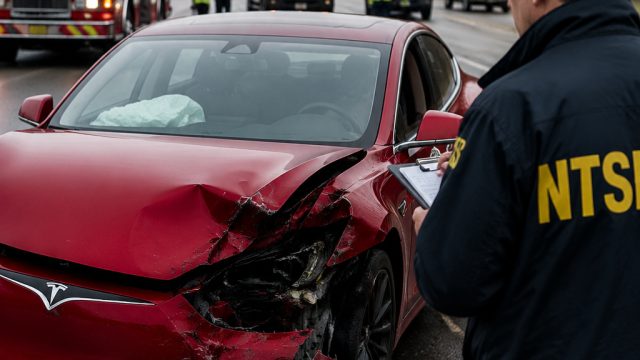
The automotive industry is currently reeling after a tragic accident involving a Tesla vehicle that resulted in the death of a 76-year-old individual in Texas. This incident has prompted the National Highway Traffic Safety Administration (NHTSA) to launch a special investigation, shining a spotlight on the safety protocols of electric vehicles (EVs) and the regulatory framework that governs them.
The Incident: What Happened?
On a quiet evening in Texas, a Tesla reportedly crashed into a residential home, leading to significant consequences. Witnesses reported that the vehicle appeared to accelerate uncontrollably before crashing, raising immediate concerns about the vehicle's electronic systems and driving technology. This latest incident has raised alarms not just for Tesla but for the entire EV sector.
Immediate Reactions
- Public Safety Concerns: This tragic event has reignited debates over the safety of autonomous driving technologies.
- Regulatory Response: The NHTSA has acted swiftly to initiate a thorough investigation into the specific circumstances surrounding the crash.
- Corporate Accountability: Tesla's response to this incident will be closely monitored by both consumers and regulators.
Why Now Matters: Regulatory Scrutiny on EVs
The urgency surrounding this investigation is compounded by the growing adoption of electric vehicles across the globe. As more consumers transition to EVs, the need for stringent safety protocols becomes increasingly vital. Regulatory agencies are tasked with ensuring that these vehicles meet safety standards that protect drivers and pedestrians alike.
The Impact on EV Adoption
The ramifications of this incident could extend far beyond regulatory scrutiny. Public perception of electric vehicles may be adversely affected, potentially hindering their adoption. If consumers feel that EVs are unsafe, it could slow the momentum that the industry has built in recent years.
Insights from Industry Experts
Industry analysts are weighing in on how this incident could reshape the future of EV regulations. Experts believe that this could lead to stricter oversight over autonomous vehicle technology, which is already a contentious topic.
Potential Changes in Regulation
- Increased Testing: Expect mandates for more comprehensive testing of EV safety features before market release.
- Enhanced Reporting Requirements: Companies may need to provide detailed reports on incidents and safety performance.
- Stricter Accountability: Manufacturers might face harsher penalties for safety violations.
Conclusion: The Path Forward
This tragic accident underscores the critical need for robust safety measures in the rapidly evolving electric vehicle market. As investigations unfold, both consumers and manufacturers must remain vigilant. For Tesla, this is a pivotal moment that could define its future, while for the entire industry, it serves as a stark reminder of the importance of safety in the pursuit of innovation.
As we continue to monitor developments in this investigation, the focus must remain on ensuring that electric vehicles are not only a clean alternative but also a safe one for all road users.
