

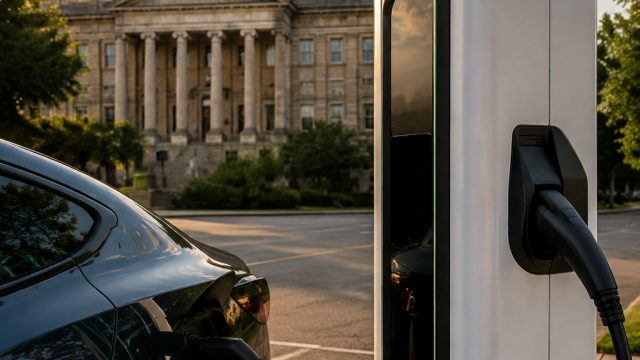
In a groundbreaking move for sustainable transportation, Hampshire County Council has recently announced the rollout of 17,000 new electric vehicle (EV) chargers across the region. This initiative represents the largest investment to date in the Local Electric Vehicle Infrastructure (LEVI) program, highlighting the county's commitment to fostering an eco-friendly future. With the increasing demand for EVs, this development comes at a crucial time when transitioning to renewable energy sources is more important than ever.
Transforming EV Accessibility
The introduction of 17,000 EV chargers is set to significantly enhance the accessibility of electric vehicles in Hampshire County. This initiative will ensure that more residents have convenient access to charging stations, which is a vital factor in encouraging the adoption of electric vehicles. Experts predict that with the right infrastructure in place, the shift towards electric mobility can happen rapidly, thereby reducing greenhouse gas emissions and promoting a cleaner environment.
Why Now is the Right Time
With the UK government setting ambitious targets for phasing out petrol and diesel vehicles, the demand for EV charging infrastructure is at an all-time high. As more people consider making the switch to electric, the availability of reliable and widespread charging options is essential. Hampshire County's latest initiative is not just about meeting current demand but also about preparing for future growth. Here are several reasons why this rollout is critical:
- Increased EV Adoption: With more charging stations available, residents are more likely to invest in electric vehicles.
- Economic Growth: This initiative is expected to create jobs within the region, from installation to maintenance of the chargers.
- Environmental Impact: Reducing reliance on fossil fuels will contribute to the county's overall sustainability goals.
- Technological Advancement: This rollout will pave the way for future technological innovations in the EV sector.
The Role of Local Government in EV Infrastructure
The Hampshire County Council's decision to invest in EV charging infrastructure is a prime example of how local governments can play a pivotal role in promoting sustainable energy solutions. By partnering with private enterprises and using government funding effectively, the council aims to create a network that not only serves the public but also encourages businesses to adopt electric vehicles for their fleets.
Collaboration for Success
The success of this ambitious project will depend on collaboration between various stakeholders, including:
- Local businesses that can provide expertise and resources for installation.
- Community organizations that will help spread awareness and educate residents on the benefits of electric vehicles.
- Government agencies that can facilitate permits and funding for the rollout.
Future-Proofing Hampshire's Transportation
This initiative does not merely address the current needs of Hampshire County; it's also about future-proofing the region's transportation networks. The EV charger rollout is expected to evolve in tandem with technological advancements in electric vehicles. As battery technology improves and charging speeds increase, Hampshire County will be prepared to adapt and grow its infrastructure accordingly.
Key Features of the EV Charger Expansion
The rollout will focus on strategic locations to maximize accessibility and convenience. Key features of the initiative include:
- Fast-charging stations strategically placed along major routes.
- Compatibility with various electric vehicle models.
- Integration with renewable energy sources to charge EVs sustainably.
- User-friendly payment options to enhance the customer experience.
Conclusion: A Step Towards a Sustainable Future
The Hampshire County Council's initiative to install 17,000 electric vehicle chargers marks a significant milestone in the transition towards a more sustainable future. By investing in EV infrastructure, Hampshire is not only making electric mobility more accessible but also setting an example for other regions to follow. As communities across the UK and beyond look to reduce their carbon footprints, Hampshire County is leading the charge into the future of transportation.
