

Key Takeaways
- Recent drone attack on Leipzig airport escalated tensions between Russia and Europe.
- EU and NATO nations are enforcing new sanctions on Russia.
- Germany leads the charge in response efforts against the attack.
- The incident underscores the fragility of European security amid geopolitical tensions.
- Public sentiment in Europe is shifting towards greater military readiness.
The Incident and Immediate Repercussions
On September 1, 2026, Leipzig airport fell under threat from an alleged drone strike, attributed to Russian forces. Although reports indicate the operation was thwarted, the implications of such an attempt have reverberated through the European landscape. Germany has emerged as the frontline in defending its airspace, prompting the European Union (EU) and NATO to take swift action against Russia.
The immediate aftermath saw European leaders convening in Berlin to discuss the implications of this attempted assault. Chancellor Olaf Scholz condemned the act, labeling it as a direct violation of international laws and an attack on European safety. This incident marks a pivotal point in European-Russian relations, as nations rally to reinforce their defenses and consider potential retaliatory measures.
European Unity in Response
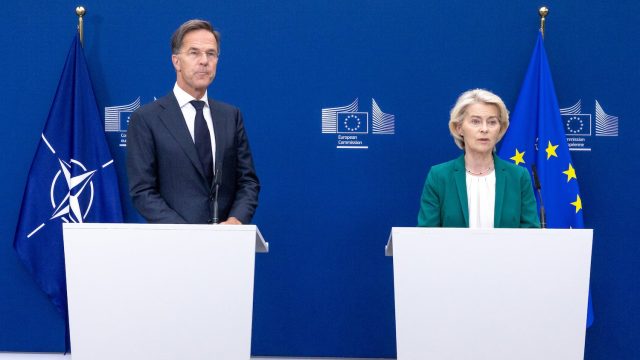
The drone attack has united EU member states and NATO allies in a manner not seen in recent years. Germany's call for a coordinated response was met with overwhelming support, highlighting a renewed commitment to collective security among European nations.
Sanctions Imposed
As a direct reaction to the attack, the EU has drafted a new set of sanctions targeting key industries within Russia, including technology and defense sectors. These sanctions are aimed at crippling Russia's ability to execute further military operations. The details are still being finalized, but preliminary reports suggest a comprehensive approach that may include:
- Restrictions on exports of advanced technology to Russia.
- Asset freezes for individuals associated with the attack.
- Enhanced military cooperation among NATO countries in Eastern Europe.
- Increased funding for cybersecurity initiatives across EU nations.
Increased Military Readiness
In light of this incident, several European nations are reassessing their military capabilities. Countries like Poland and the Baltic states are prioritizing defense spending and enhancing their military readiness in response to perceived threats. This shift is significant, as it indicates a broader trend of militarization within the region.
Public Sentiment and Long-Term Implications
The drone attack has sparked a noticeable change in public sentiment across Europe. Citizens are demanding more robust defensive measures and a reevaluation of foreign policy regarding Russia. As discussions unfold in national parliaments, there is a palpable sense of urgency regarding security matters.
Changing Perspectives on the Russian Threat
This event may reshape public opinion regarding military alliances and defense policies. The narrative around Russian aggression could lead to:
- A stronger mandate for NATO's presence in Eastern Europe.
- Increased public support for defense budgets across EU nations.
- A call for strategic partnerships outside Europe to counteract Russian influence.
- A reassessment of energy reliance on Russian resources.
Conclusion: A Defining Moment for Europe
The failed drone attack on Leipzig airport represents a critical juncture in European security dynamics. As nations come together to confront potential threats, the events of September 1, 2026, might catalyze a more cohesive and fortified European defense strategy. This incident reaffirms the necessity for vigilance and cooperation in navigating the complexities of international relations in an increasingly volatile world.
