

Introduction
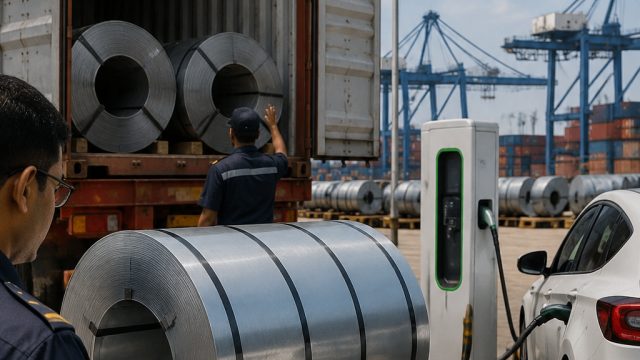
The global push for electric vehicles (EVs) continues to accelerate, and a significant focus has recently been placed on the materials that power this green revolution. India's ongoing investigation into the import of electrical steel from China, Japan, South Korea, and Russia marks a crucial moment not just for the steel industry, but for the entire EV sector. This scrutiny could have far-reaching consequences for EV charging infrastructure, affecting both production and supply chains.
The Significance of Electrical Steel in EV Technology
Electrical steel, known for its efficiency in electromagnetic applications, is a key component in transformers and electric motors. As the demand for EVs grows, so does the need for high-quality electrical steel. This material enhances the performance of electric charging stations and contributes to the overall efficiency of electric vehicles.
Current Landscape of Electrical Steel Imports
The investigation initiated by the Indian government aims to address concerns over the influx of imported electrical steel. With India striving to boost its domestic production capabilities, understanding the implications of these imports becomes critical. The country has already seen a surge in interest surrounding its EV infrastructure, making the need for reliable and high-grade electrical steel even more pressing.
Impacts on EV Charging Infrastructure
As India analyzes the consequences of its electrical steel imports, various sectors—including EV charging equipment manufacturers—are closely monitoring the situation. The potential restrictions on imports could lead to changes in production dynamics, affecting everything from costs to availability.
Cost Implications for Manufacturers
Should the investigation lead to tariffs or tighter regulations on imported electrical steel, manufacturers may face increased production costs. This scenario can have a domino effect on the pricing of EV charging stations, potentially hindering the expansion of charging networks across the country.
- Increased production costs could raise consumer prices for EV chargers.
- Potential delays in production timelines may slow down the rollout of charging infrastructure.
- Competition may shift as some manufacturers adapt more quickly to new regulations.
Quality and Availability of Electrical Steel
Quality is paramount in the manufacturing of electrical steel, as it directly affects the efficiency of EV charging stations. If Indian manufacturers can ramp up production to meet demand, the local market could benefit from enhanced innovation and quality control. However, if local production cannot keep pace with the needs of the EV sector, the impact of import restrictions could be detrimental.
Broader Implications for the EV Industry
The ongoing investigation into electrical steel imports also highlights broader trends in the EV industry. As countries like India aim for increased self-reliance in critical materials, there is an opportunity for domestic manufacturers to innovate and lead in the production of sustainable materials.
Sustainability and the Future of Electrical Steel Production
With growing environmental concerns, the production of electrical steel is being scrutinized for its sustainability. Manufacturers are now focusing on eco-friendly practices to align with global standards. The outcome of India’s investigation might set a precedent, encouraging local producers to adopt greener manufacturing methods and reduce their carbon footprint.
Conclusion
The Indian government's investigation into the electrical steel import sector is a pivotal moment for the EV charging industry. As the implications unfold, stakeholders—ranging from manufacturers to policymakers—must stay vigilant. Embracing the challenge can lead to innovation and self-sufficiency, ultimately benefiting India's drive toward a more sustainable future in electric mobility. As we watch these developments, the call for quality and reliable electrical steel will remain critical for the growth of EV charging infrastructure both in India and worldwide.
