

Severe Weather Halts France-Iraq Match: What It Means for the World Cup
The excitement of the World Cup continues to grip fans worldwide, but not without interruptions. Recently, the highly anticipated match between France and Iraq faced an unexpected pause due to severe weather conditions. This incident not only raised concerns for the players and spectators but also prompted discussions about the broader implications for the tournament.
The Match That Stopped
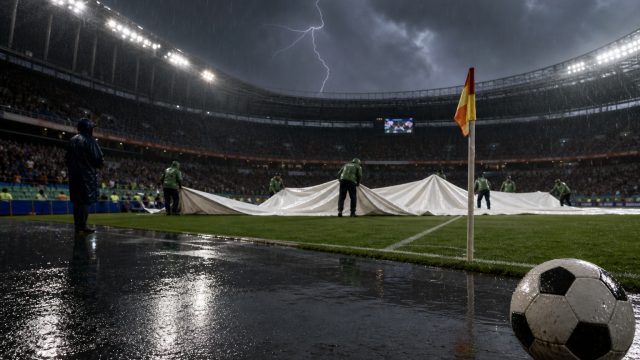
As the France-Iraq game unfolded in Philadelphia, it was clear that the atmosphere was electric. The stadium was filled with passionate fans eagerly supporting their teams. However, as the match approached halftime, dark clouds gathered, and a severe weather alert was issued. Officials made the difficult decision to suspend the game, prioritizing the safety of everyone in attendance.
What Happened During the Suspension?
- The match was suspended just before halftime.
- Fans were instructed to seek shelter immediately.
- FIFA officials monitored the situation closely.
This suspension not only disrupted the match but also raised questions about the preparedness of sports organizations in the face of unpredictable weather events.
Weather Disruptions in Sports: A Growing Concern
The occurrence of extreme weather during sports events is becoming increasingly common. From intense heat waves to sudden thunderstorms, climate change has intensified weather unpredictability. This incident during the France-Iraq match serves as a reminder of the challenges facing sports authorities.
Historical Context of Weather Interruptions
In the history of sports, weather-related disruptions have been notable:
- Football Matches: A similar incident occurred during the 2014 World Cup when a match was delayed due to heavy rain.
- Baseball Games: Games have been postponed for snow or rain, affecting team schedules and fan experiences.
- Tennis Tournaments: Events like Wimbledon have seen delays due to rain, prompting discussions on indoor facilities.
These events highlight the importance of having robust contingency plans in place to deal with weather-related interruptions.
Implications for Players and Teams
The suspension of the France-Iraq match doesn't just affect fans; it also has significant implications for the teams involved. Players may experience disrupted momentum, which can impact their performance when the match resumes. Furthermore, injuries could become a concern as players return to play after a significant break.
Preparing for Resumption
When play resumes, teams must quickly adapt to the sudden shift in game dynamics. Coaches will need to:
- Reassess player conditions and stamina.
- Modify strategies based on first-half performance.
- Provide mental support to handle the disruption.
Moreover, the psychological effects of waiting can cause tension among players, which coaches must manage effectively to ensure optimal performance.
Looking Ahead: What This Means for the World Cup
The interruption of the France-Iraq match is not just a one-off event. It brings into question how future matches will be conducted, particularly given the increasing frequency of extreme weather conditions. Organizers may need to consider:
- Improving infrastructure to accommodate severe weather.
- Creating more robust safety protocols for fans and players alike.
- Investing in technology to forecast weather more accurately and provide timely alerts.
As the World Cup progresses, fans and teams alike will be watching closely to see how such challenges are addressed. The incident offers a crucial lesson on the intersection of sports and environmental factors.
Final Thoughts
In conclusion, the suspension of the France-Iraq match underscores the critical need for sports organizations to adapt to changing climate conditions. Whether through enhanced infrastructure, better safety protocols, or innovative technologies, the ability to respond to severe weather is essential as we look towards the future of competitive sports. Staying informed and prepared will be key for fans and teams as the World Cup unfolds.
