

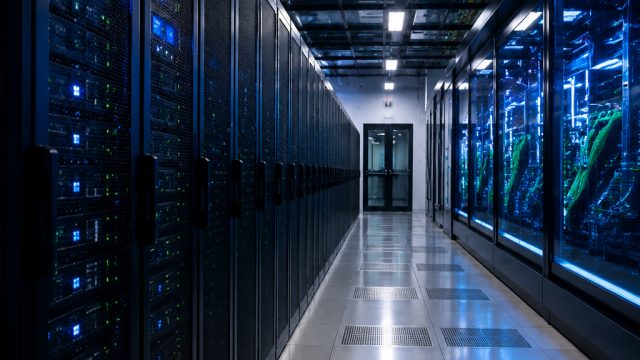
In a landmark shift in the realm of computing technology, China has reclaimed its position at the forefront of supercomputing, dethroning the United States' El Capitan. The latest data from the TOP500 list, which ranks the world's most powerful supercomputers, reveals that China’s LineShine has surged ahead, marking a significant moment in the ongoing global race for computing supremacy. This shift not only underscores China's advancements in technology but also presents a crucial juncture for the future of artificial intelligence (AI) and high-performance computing (HPC).
The Rise of LineShine: Understanding the Technology Behind It
LineShine has achieved unprecedented processing power, placing it at the top of the supercomputer hierarchy. With a focus on enhancing computational abilities, LineShine is designed to handle incredibly complex tasks, ranging from climate modeling to advanced AI simulations. Its architecture leverages cutting-edge technology that allows for greater efficiency and speed.
Key Features of LineShine
- Enhanced Processing Speed: LineShine outpaces its competitors by executing quadrillions of calculations per second.
- Energy Efficiency: The system is optimized for lower energy consumption while maintaining high performance, setting a new standard in sustainability.
- Advanced AI Capabilities: With a focus on AI-driven tasks, LineShine is positioned to support the next generation of machine learning applications.
Why This Matters Now
The implications of China's supercomputer advancements extend far beyond mere numerical superiority. As countries race to develop AI technologies, the ability to process vast amounts of data quickly and efficiently has become more critical than ever. The LineShine supercomputer represents a significant leap in capabilities, suggesting that China is not just a participant in the global tech landscape but a formidable leader.
Impact on Global Technology Leadership
This development raises important questions about the future dynamics of technology leadership. The AI sector, which relies heavily on high-performance computing, could see a shift in investment and research priorities as nations scramble to match or exceed China's technological capabilities.
The Competitive Landscape: A New Era in Supercomputing
The competitive nature of supercomputing is emblematic of broader technological rivalries between nations. With China’s recent achievements, the United States and other countries may be prompted to invest more heavily in HPC and AI research to maintain their status and foster innovation.
Potential Responses from the US and Allies
- Increased funding for domestic supercomputer projects to enhance capabilities.
- Collaborations between private sector leaders and government agencies to innovate in AI technologies.
- Focus on developing energy-efficient computing solutions to compete with LineShine's performance metrics.
Conclusion: The Future of Supercomputing
As LineShine takes the lead in the global supercomputing arena, the implications for technology development and international relations are profound. Countries worldwide must reevaluate their strategies and invest in HPC to ensure they remain competitive in this essential field. This landmark moment serves as a reminder of the rapid advancements in technology and the importance of innovation in shaping our future. The race is on, and the next chapter in supercomputing is just beginning.
