

Understanding the Slow Adoption of Electric Vehicles: Key Insights
Electric vehicles (EVs) offer a wealth of economic benefits, from decreased fuel costs to tax incentives. Yet, despite these advantages, the growth of EV adoption remains sluggish in many regions. This article delves into the current landscape of EV adoption, examining why consumers have been slow to switch and what changes could accelerate this transition.
The Economic Appeal of Electric Vehicles
EVs are increasingly recognized as a financially savvy choice for drivers. With advancements in technology, the cost of owning an electric vehicle is becoming more competitive with traditional gasoline-powered cars. Here are some key economic benefits of EV ownership:
- Lower Operating Costs: Electric vehicles typically have lower maintenance costs and savings on fuel.
- Tax Incentives: Many governments offer tax credits or rebates for purchasing EVs.
- Energy Independence: EVs reduce reliance on oil, which can be subject to price volatility.
Challenges to Widespread Adoption
Despite the clear financial incentives, several factors hinder the rapid uptake of electric vehicles:
1. Insufficient Charging Infrastructure
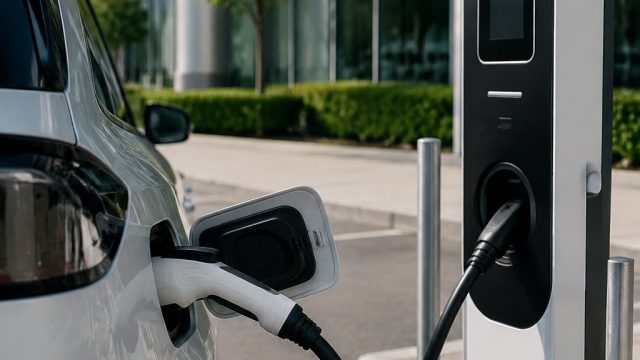
A key barrier to EV adoption is the lack of charging stations. While more cities are adding charging infrastructure, range anxiety remains a significant concern for potential buyers. Many consumers worry about running out of battery power without access to a charging solution. To mitigate this, local governments and private companies must invest in more charging networks.
2. Upfront Costs
Although the total cost of ownership can be lower for EVs, the initial purchase price can deter buyers. Many electric vehicles still come with a higher sticker price compared to conventional cars, even after accounting for incentives. Automakers need to continue innovating and finding ways to reduce production costs.
3. Consumer Awareness and Education
Many consumers remain uninformed about the benefits and practicality of electric vehicles. Increased education on the advantages of EVs can help overcome misconceptions. Awareness campaigns can emphasize the long-term savings, environmental benefits, and advancements in battery technology.
The Role of Policy and Technology in EV Adoption
Government policies play a crucial role in the acceleration of EV adoption. Here are several ways policy frameworks can foster growth in this sector:
- Incentives for Consumers: Expanding tax credits and rebates can make EVs more attractive to buyers.
- Investment in Infrastructure: Governments should prioritize funding for charging stations to alleviate range anxiety.
- Support for Research and Development: Investing in new technologies can help make EVs more affordable and efficient.
Future Prospects for Electric Vehicles
The future of electric vehicles looks promising, especially as technology continues to advance. Battery technology is improving, leading to better ranges and faster charging times. As more automakers enter the EV market, consumers will have more options to choose from, driving competition and innovation.
Moreover, as environmental concerns rise and the push for sustainable solutions grows, the market dynamics are shifting. More consumers are considering the environmental impacts of their vehicle choices, making EVs an increasingly attractive option. With ongoing improvements in technology and infrastructure, it is likely that we will see a significant rise in EV adoption in the coming years.
Conclusion
In conclusion, while electric vehicles present clear economic advantages, barriers to adoption remain that need to be addressed. By enhancing charging infrastructure, reducing upfront costs, and increasing consumer education, stakeholders can help pave the way for a more sustainable and economically viable future in transportation. The momentum is building, and it is crucial for consumers, governments, and automakers to work together to embrace the electric vehicle revolution.
