

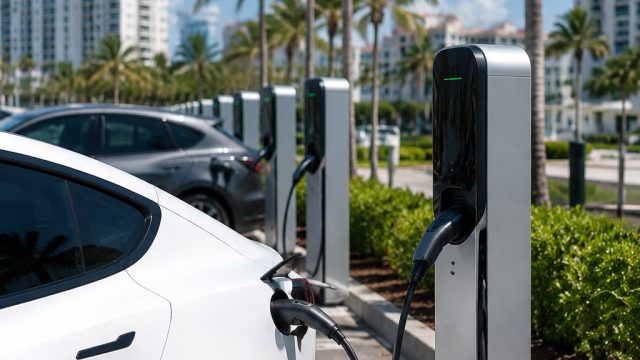
Evaluating Florida's EV Charging Landscape: Insights for Drivers in Naples and Fort Myers
The electric vehicle (EV) market is rapidly expanding across the globe, with Florida emerging as a noteworthy player in the adoption of EV technology. As more drivers turn to electric vehicles for their eco-friendly benefits, the necessity for accessible charging infrastructure has never been greater. This article delves into the current state of EV charging in Florida, particularly focusing on the cities of Naples and Fort Myers, highlighting their rankings, facilities, and the implications for both drivers and developers.
The Growing Importance of EV Charging Stations
With Florida's commitment to reducing greenhouse gas emissions and promoting sustainable transportation, the state has prioritized the development of EV charging stations. As electric vehicles become increasingly popular, drivers seek convenience and reliability in charging options. The presence of well-distributed charging stations not only supports existing EV users but also serves as an essential factor in encouraging more drivers to make the switch from traditional combustion-engine vehicles.
Current Landscape in Naples and Fort Myers
Recent assessments reveal that Naples and Fort Myers are making strides in enhancing their EV charging networks. According to state data, both cities are strategically increasing the number of charging stations to meet rising demand. Here’s a deeper look at how they rank:
- Naples: Known for its affluent community and eco-conscious residents, Naples boasts a growing number of Level 2 and DC fast chargers throughout the city. These facilities are typically located near shopping centers, parks, and major roadways, ensuring easy access for EV users.
- Fort Myers: Fort Myers is also catching up rapidly, with a focus on integrating charging stations in both urban and suburban areas. The city is working on expanding its network to provide options for charging at various locations, including popular tourist attractions and residential zones.
Why This Matters Now
As the climate crisis continues to intensify, the importance of transitioning to electric vehicles is more pressing than ever. Florida’s evolving charging infrastructure is not just a convenience; it’s a vital step toward reducing the carbon footprint of transportation. Currently, less than 5% of vehicles on the roads in Florida are electric, indicating significant room for growth. As awareness increases and more charging options become available, it is anticipated that this percentage will rise sharply.
Impact on Local Economy and Future Developments
The enhancement of EV charging facilities is poised to have a positive impact on local economies in Naples and Fort Myers. Here are some of the advantages:
- Increased Tourism: As charging stations become more prevalent, electric vehicle owners traveling to Florida will find it easier to visit, supporting the tourism industry.
- Job Creation: The installation and maintenance of charging stations create new job opportunities in the region, from technical roles to construction positions.
- Investment Attraction: A robust charging network can attract businesses focused on sustainability, including startups and established companies seeking eco-friendly operations.
Challenges to Overcome
While progress is being made, there are still hurdles to address in the expansion of EV infrastructure. Some challenges include:
- Funding: Securing sufficient funding for the installation of additional charging stations is critical for continued growth.
- Public Awareness: Educating the public about the benefits of electric vehicles and the available charging options remains essential in shifting consumer perception.
- Technology Standardization: Ensuring compatibility between different EV models and various charging station technologies can be complex.
Conclusion: The Road Ahead for EV Charging in Florida
Florida's journey into the future of electric mobility hinges on the expansion and accessibility of EV charging stations in cities like Naples and Fort Myers. By investing in robust infrastructure, local governments and businesses will not only facilitate a smoother transition for drivers but also contribute to the state’s environmental goals. As we move forward, the collaboration between public and private sectors will be crucial in creating a sustainable and efficient EV landscape. The time for action is now, and the benefits will resonate for generations to come.
